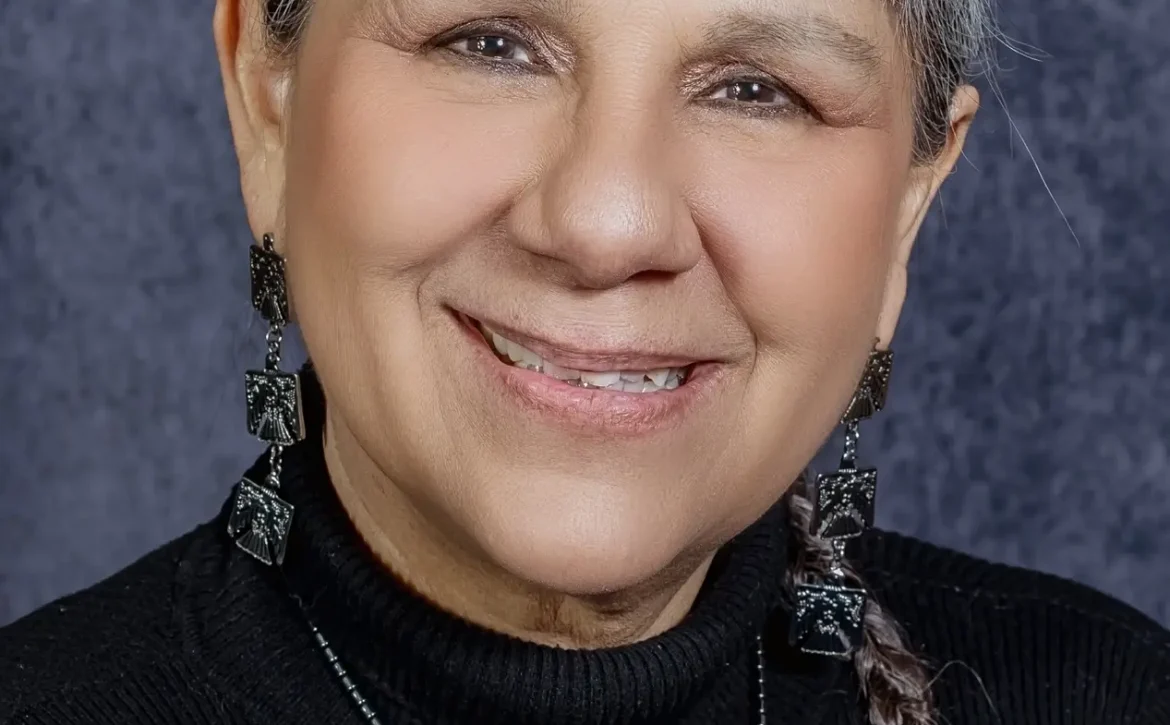
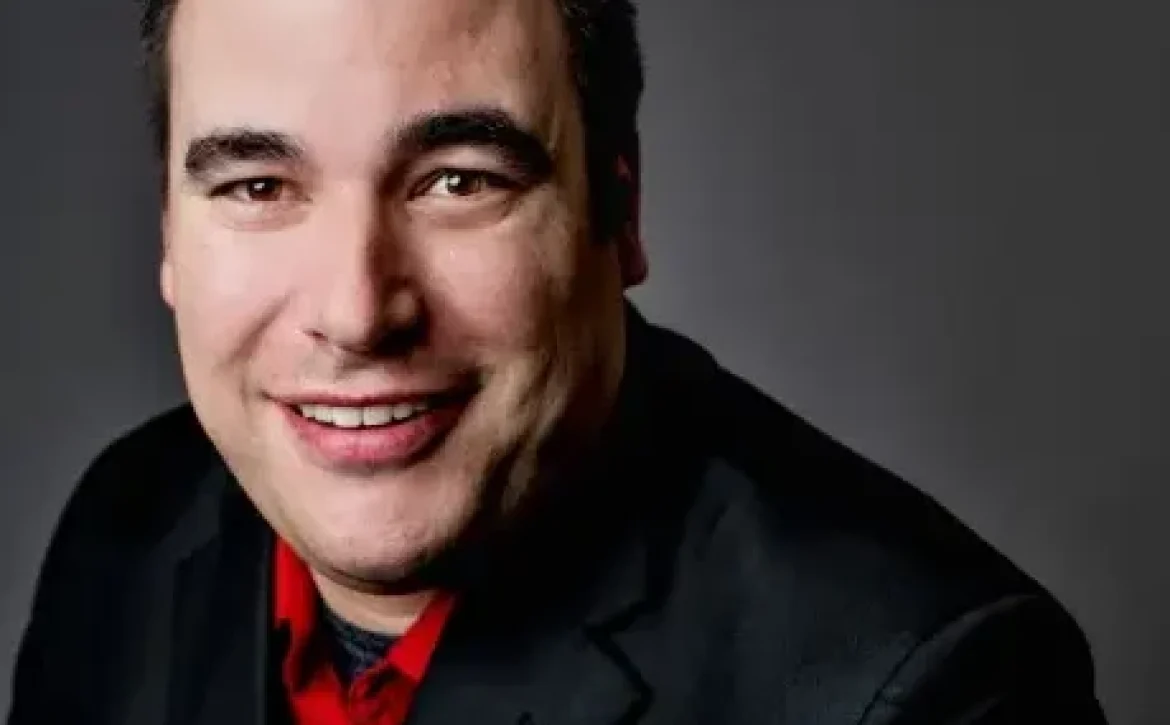
Gary Prichard

Gary Pritchard

Gary is the President, Senior Ecologist, and Engagement Specialist with over 26 years of experience. In the past, Gary (who is a member of Curve Lake First Nation) has had the privilege to work on behalf of First Nations peoples throughout Ontario. He has travelled and worked in 352 First Nations communities throughout Canada and the United States.  He has brought a wealth of knowledge to both his Indigenous and non-Indigenous cliental performing a wide variety of services including Indigenous Community Planning, land-use/traditional knowledge studies, capacity building, mediator between western science and traditional science and peer reviewer on behalf of Indigenous communities.

One of Gary’s greatest strengths is that he is often able to be the one who acts as the bridge between the Indigenous Community and the western style of government. Gary has successfully collaborated with many stakeholder groups, researchers, institutes, government agencies and Indigenous communities and political organizations to address environmental concerns and identify practical solutions to fisheries or environmental related issues. Gary was a part of the consulting team who wrote the “Guidelines for Indigenous Engagement in Municipal Watershed Planning.” Gary also serves as a technical advisor and professor at two post-secondary institutes within Ontario.

Gary is part of the Board of Directors for the Ontario Association for Impact Assessment (OAIA), a not-for-profit organization founded in 1994 that “focuses on the practice of impact assessment in Ontario” (OAIA, 2026). Gary is also a member of the Ontario Biodiversity Council, Assembly of First Nations- First Nation Circle of Experts for Chemical Management, and the Water First Charity

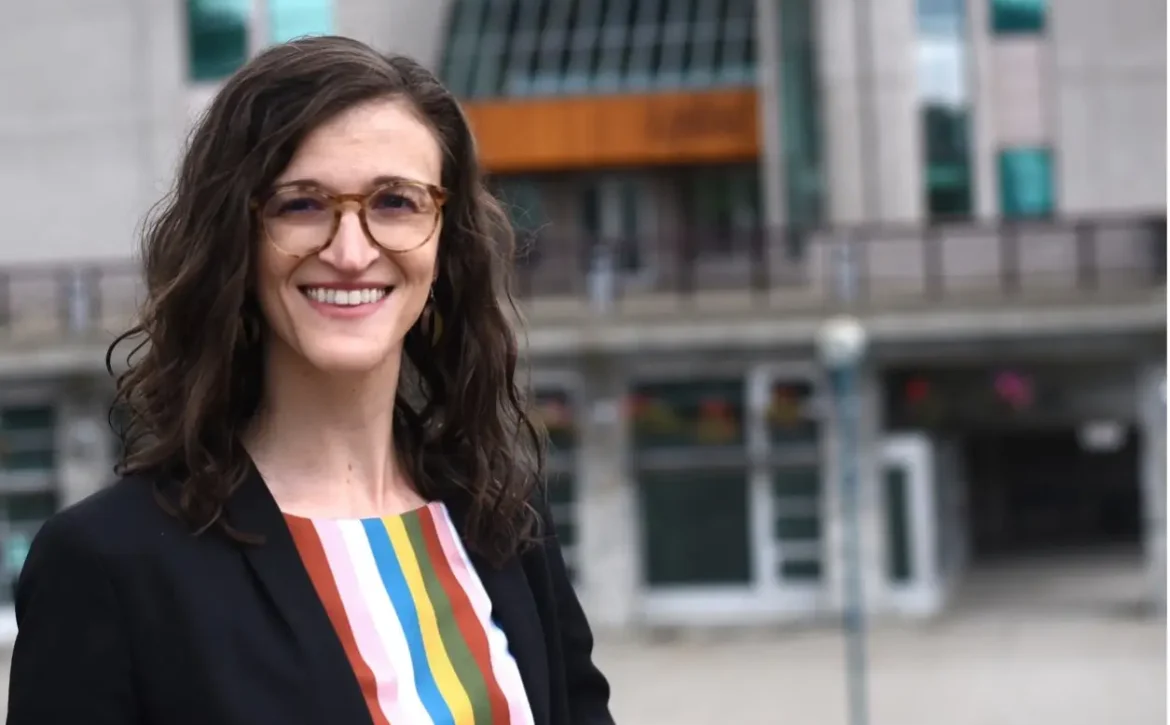
Read More
Dr Tara Jolly

Tara Joly, PhD

Dr. Tara Joly specializes in environmental anthropology and community-based research with and for Indigenous Nations primarily in western subarctic Canada. Her career straddles applied consulting and academic research, blending the strengths of both to support Indigenous communities in their assertions of rights and sovereignty in the face of resource extraction and cumulative effects. Bringing an interdisciplinary lens to her work, she emphasizes the centering of Indigenous Knowledge systems in typically western science-dominated evaluations of disturbed landscapes, regulatory frameworks, and environmental monitoring initiatives.

For over a decade, Tara has translated her expertise into roles across both academic and applied research sectors. She has served as a Research Director with Willow Springs Strategic Solutions, Inc. and operates Tara Joly Consulting, through which she has led numerous community-based traditional land use studies, technical reviews of Environmental Impact Assessments, and cumulative effects research projects for First Nations and MÃĐtis communities across Western Canada. Notably, her collaborative work in Treaty 8/the Athabasca oil sands region has investigated critical environmental and social pressures, ranging from the decline of freshwater mussel populations to the reclamation of wetland ecosystems and the history of displaced Indigenous spaces. Her extensive background in applied research and advocacy directly informs her current primary role in academia, where she shapes critical pedagogy and conducts community-partnered research. She continues to lead funded research tracking regulatory commitments, while teaching next-generation scholars to critically engage with environmental assessments, Indigenous land use methodologies, and Indigenous data sovereignty.

As a Technical Advisory Committee, Tara is dedicated to building long-term institutional and community capacity and contributing to national efforts that empower Indigenous-led cumulative effects management.

Read More
Logo white space

Aaron Marchant

Aaron is from the Squamish Nation, in British Columbia. He currently resides in West Vancouver, and currently is the Protocol and Public Relations Manager for Chair and Council office. He focuses on relationship building and visibility in the work he does.  With over 25 years’ experience Aaron works to bridge gaps in Indigenous knowledge and science work.

Read More
Dr Morgan Kahentonni Phillips

Dr. Morgan Kahentonni Phillips

Dr. Morgan is from the Kahnawake Mohawk Territory, where she currently resides. She holds a PhD Education, from McGill University. Currently, Morgan is Senior Research Advisor, with Department of Education & Counselling Psychology at the McGill University.

Dr. Morgan ensures her traditional knowledge and knowledge systems are used the western/academic systems, where they compliment each other in the work.

Read More
Logo white space

Helen Ward-Wakelin, MBA

Helen, Nataweg Gitpoeesk (Knowledgeable Eagle Woman), is original from and currently lives in Natoaganeg First Nation, New Brunswick, a Mi’kmaq territory. She holds a MBA from Cape Breton University with a minor in Indigenous studies, Environmental Technician from safety & environment from (METI) Maritime Environmental Training Institute, Cape Breton, NS and many other educations background.

Helen’s area of focus is First Nation Community Development, and helped implements her First Nations traditional Knowledge within the work she does. She has over 25 plus years experience in the work she does now.

Helen is a strong advocate for her community and the people, and very passionate about the work she does for her community and people and the Indigenous people of Turtle Island.

Read More
photo of alexandra bridges, icce technical advisor

Alexandra Bridges

Alexandra Bridges is an Oji-Cree woman of the Pike Clan and member of Mattagami First Nation located within Treaty 9 territory in Northern Ontario. Alex is a graduate student at Guelph University with the goal of obtaining an MSc. In Rural Planning and Development. She holds a B.A. in Indigenous Environmental Studies with an Emphasis in Law and Policy from Trent University.

Her area of focus in her work and academic career is environmental impact assessment, gendered impacts of resource development and Indigenous self-determination and cultural resurgence over lands and resources. She has over ten years experience working in Indigenous non-profit organizations. She serves on the board of directors of several environmental cooperatives and Indigenous led organizations across Turtle Island.

She is a strong advocate for Mino-Bimaadiziwin, the inalienable rights of Indigenous peoples and pursues with passion environmental and socio-economic development projects in Northern Ontario.

Read More
photo of mark cliffe-phillips, icce technical advisor

Mark Cliffe-Phillips

Mark Cliffe-Phillips is the Executive Director of the Mackenzie Valley Environmental Impact Review Board (Review Board), which is an independent co-management tribunal responsible for the environmental impact assessment process in the Mackenzie Valley of the NWT. The Review Board is the result of modern comprehensive land claims that created a co-management resource management system that enabled Indigenous peoples of the NWT to have greater say in the decision making process. 

Prior to joining the Review Board, Mark was the Executive Director of the Wek’ÃĻezhÃŽÄą Land and Water Board, which was responsible for the licensing and permitting of Canada’s largest diamond mines. Mark has been working in the resource co-management sector in the Northwest Territories for over 20 years. He was also a founding Board member of the Indigenous Centre for Cumulative Effects, where he is now a member of the Technical Advisory Committee. He frequently participates in various environmental assessment improvement and cumulative effects initiatives across the North and the rest of Canada.  

Read More
photo of barry wilson, icce technical advisor

Barry J Wilson, RPF

Barry Wilson has focused his career on holistic cumulative effects for the past 24 years. Drawing upon over three decades of professional practice, Barry works closely with Indigenous communities and other governments to use two ways of knowing; Indigenous Knowledge and western contemporary science, in applying and teaching holistic cumulative effects assessment. He works with teams to bring clarity to complex conversations about the cumulative effects of multiple human land uses, natural disturbance, and climate change. Through this work Barry has led several precedent-setting Indigenous-led holistic cumulative effects assessments for major infrastructure projects in Canada.

Barry is the Founder of the RavenWater Learning Circleâ„Ē (RWLC) which is increasing the skills and self-sustaining capacity of organizations to lead holistic cumulative effects assessment, planning, monitoring and decision-making in their lands, waters, and communities.

Barry and his wife Karen are grateful for the privilege of living and operating CE Analytic’s head office within SecwepemcÚl’ecw, the unceded Traditional Territory of the SecwÃĐpemc Nation, where they raised their daughter and son in the city of Salmon Arm BC. Adding to his experience in western Canada, Barry’s work has taken him north to the Sahtu Region of the NWT, east to the Maritimes region of Mi’kma’ki, and south to the US pacific northwest. Barry has served on the ICCE Technical Advisory Committee since 2022; he is also co-founder and President of the registered charity BC Tomorrow helping students learn about sustainability in their own watersheds.

Read More
Carol Crowe

Carol Crowe

Carol Crowe is an environmental professional dedicated to bridging Indigenous and non-Indigenous communities across Canada. As the founder and president of Indigenous Visions Inc., she has over two decades of experience in environmental consulting and training.

Carol’s expertise lies in developing and delivering environmental programs that integrate Traditional Indigenous Knowledge with Western science. She has trained more than 650 Indigenous Environmental Monitors nationwide, emphasizing community-based environmental stewardship and collaboration with corporations and government to minimize impacts on traditional lands.

A certified Environmental Professional (EP) in Environmental Training and Education with ECOCanada, Carol is also an experienced facilitator. She offers customized training in various topics, including cultural competency and holistic self-development programs for team building and strategic planning.

Her outstanding contributions have been recognized through several awards:

    • 2022 ECOCanada Impact Award
    • Global Women of Vision Award in Business
    • Esquao Award from the Institute for the Advancement of Aboriginal Women

Carol is also an alumna of the Governor General’s Canadian Leadership Conference.

Recently, Carol co-authored a children’s book titled Anahareo Saves the Beaver. This book tells the story of her aunt, an Indigenous woman who played a crucial role in stopping the inhumane trapping of beavers in Canada. Aimed at young readers aged 3 to 8 years, the book educates about conservation and includes Anishinaabe translations and teachings. Proceeds from the book support environmental programs in a national park, reflecting Carol’s commitment to education and conservation.

Through her work, Carol continues to advocate for the inclusion of Indigenous perspectives in environmental management and strives to create a sustainable future for generations to come.  

Read More