


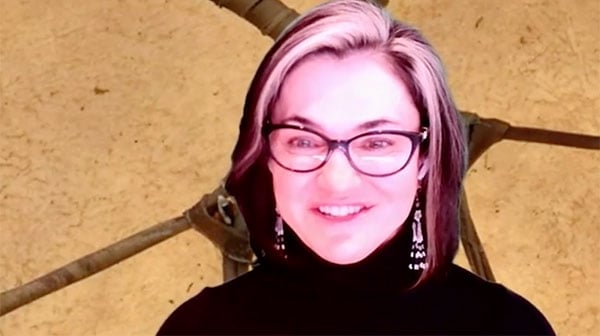






2022 ICCE Virtual Conference – Day 2 Program
Cumulative Effects: A Health and Well-Being Perspective
Wednesday, March 2, 2022
10am to 1pm Pacific / 1pm to 4pm Eastern / 2pm to 5pm Atlantic
Emcee
Herbie Barnes, Artistic Director, Young People’s Theatre (YPT)
Graphic Artist
Corrina Keeling, Multidisciplinary Artist
Welcome
Angeline Gillis, Vice Chair, ICCE and Associate Executive Director, The Confederacy of Mainland Mi’kmaq
KEYNOTE PRESENTATION
Primary, Secondary and Tertiary Effects of Climate Change to the Culture, Health and Well-Being of Saami in Finland
Dr. Klemetti Näkkäläjärvi, Saami Researcher from Enontekiö, North Finland, Postdoctoral Researcher, Cultural Anthropology, University of Oulu
Break and Musical Interlude
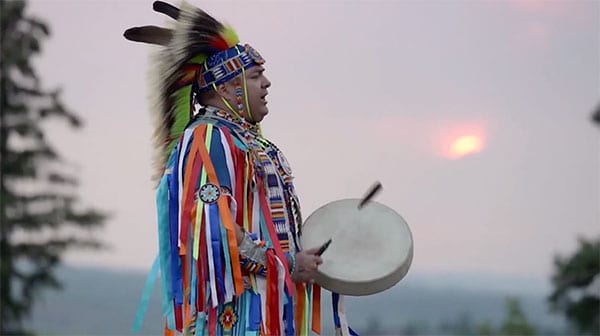
Red Shadow Singers: Eagle Song
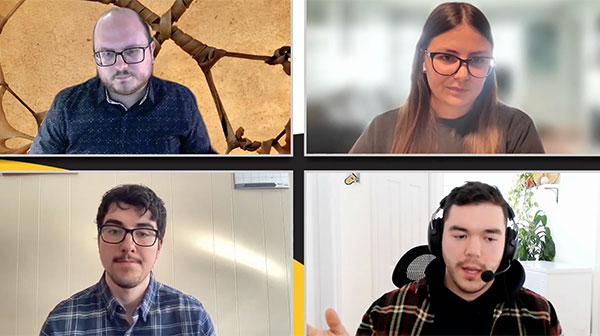
YOUTH PANEL DISCUSSION
Come hear and learn from knowledgeable and motivated Indigenous youth who are concerned about the environment and seeking to make a difference in addressing cumulative effects. They will explore topics and examples of how cumulative effects are impacting their own lives, traditional land use, and community health and well-being from the youth perspective.
Facilitator
Paul-Antoine Cardin, Technical and Policy Advisor, ICCE
Panelists
Jayce Chiblow
Alexandre Dubé
Nicholas Flowers
SESSION 5
Cumulative Effects on the Different Dimensions of Indigenous Health
One of the challenges in cumulative impact assessments is the disconnect between the actual Indigenous health effects and western scientific health narratives, as well as western thinking of impact causalities. Translating cumulative cultural, social & ecological impacts of environmental change on Indigenous health to western medical understanding requires a fundamental reframing of stories related to health.
Indigenous determinants of health and Indigenous health indicators are excellent approaches that were developed to help address the challenge. In this talk, Paivi Abernethy invites participants on a journey that will help take the translations of their own health stories to the next level, on their own terms – and help Indigenous communities make a stronger case when needed.
Paivi Abernethy, Research Fellow, Centre for Global Studies, University of Victoria and Member of the ICCE Technical Advisory Committee
SESSION 6
#TeamSku7pecen Intern Program: Cumulative Effects and Well-Being
Qwelmínte Secwépemc (QS) is a collective of seven Secwépemc communities, working with four provincial ministries in British Columbia, across a spectrum of topics related to their nation’s rights and title, striving for equal decision-making and recognized jurisdiction over their territories.
The QS office has developed a #TeamSku7pecen model and Intern Program based on the concept of Walks on Two Legs and includes cumulative effects project work. In 2021, Qwelmínte Secwépemc partnered with Barry Wilson of CE Analytic to support three post-secondary interns through a 16-week Cumulative Effects Modelling and Scenario Planning training program. They will be running the CFX Program again in our 2022 Summer Intern Program.
By training and preparing these future guardians with the necessary technical knowledge, Qwelmínte Secwépemc hopes to reduce conflict over their lands and resources by gaining support for Secwépemc land management capacity, with the goal of enabling self-determined governance of our territories. For the Qwelmínte Secwépemc, building capacity and knowledge within the area of cumulative effects is critical to moving reconciliation forward. They understand, as Indigenous people, that cumulative effects, holistic land management and wellbeing are intrinsically connected.
Tamara Archie, Coordinator, Communications, Community Engagement, Education and Outreach, Qwelminte Secwépemc Secretariat
Kate Wale, Intern Program Coordinator, Communications, Community Engagement, Education and Outreach, Qwelminte Secwépemc
Break and Musical Interlude
Morgan Toney, Mi’kmaq Fiddler, We’koma’q First Nation: Ko’Jua
Session 7
Pulling Up the Roots: A Dialogue on Grounding Cumulative Impacts in Indigenous Rights and Nation-Based Knowledge
In this dialogue, we will explore the limits and risks of conventional cumulative impacts science through a call to re-center impact assessment in nation-based knowledge systems. The presenters will do this by drawing on a collaboration that aims to progress methods that address the cumulative impacts of resource development in the context of climate change and state recognized and affirmed Indigenous rights and laws.
In British Columbia, there are several examples of Indigenous approaches to health and wellness indicators that contest the overlapping physical burden of resource development on lands, waters, animals, and health. The speakers’ analysis aims to uproot cumulative impacts science and ground it in Indigenous nation-based principles and laws and the development of health indicators indigenous to the land and waters, that necessarily connect healthy lands and waters to healthy people.
Dawn Hoogeveen, Senior Research Fellow, First Nations Health Authority, University Research Associate, Simon Fraser University, and Member of the ICCE Technical Advisory Committee
Namaste Marsden Masemtxosw, Director of Indigenous Engagement, Faculty of Medicine, University of British Columbia, and Adjunct Faculty Member, Faculty of Health Sciences, Simon Fraser University, and Co-Chair, Research Ethics Advisory Council, BC Academic Health Science Network
Closing Remarks
Leea Litzgus, Executive Director, ICCE
Closing Prayer
Debra Sparrow, Knowledge Keeper, Musqueam Indian Band
Musical Interlude as Participants Log Off
Gordon Dick: The Coast Salish Anthem/Chief Dan George’s Prayer Song
Click here for Program Day 1
Registration is complimentary and is now open.
Please note, registration is required to attend the conference and only registered participants will receive the link required to join the event.
Contact Us
ICCE Conference Secretariat
Micheline Bélanger

Linking Cumulative Effects to Indigenous Health and Well-Being
If you take care of the land, the land will take care of you.
The theme of the 2022 Virtual Indigenous Conference on Cumulative Effects is “A Health and Well-Being Perspective.” The Indigenous Centre for Cumulative Effects (ICCE) is bringing together Indigenous environmental experts and representatives of Indigenous communities to share how effective management of the environment can result in positive and lasting impacts to the health and well-being of Indigenous communities.
The linkages between health and the environment are well-established. For Indigenous peoples, this is a fundamental part of culture, teachings and Indigenous knowledge. If you take care of the land, the land will take care of you.
The 2022 virtual conference will present linkages between effective assessment, monitoring and management of cumulative effects, and improved health and well-being for those that use the land. Cumulative Effects (CE) work should endeavour to explore and better understand the health of the environment, the flora and fauna, and human interactions with the use of the land.
Traditional harvesting is an integral part of Indigenous communities. When a resource is plentiful, the community benefits from good health and well-being.
For example, fish provide both a valuable source of nourishment and income to many Indigenous people. Likewise, Indigenous harvesters benefit from the cultural and traditional use of the catch for ceremony. The catch is often shared collectively, provided to elders, or donated to community food banks. Historic and current development, land use practices and pollutants have negatively impacted the health of the fish, fish habitat and those who consume the fish. In addition to health effects, it also negatively impacts the fish economy upon which many communities rely. Without a healthy fishery, community well-being may also suffer.
This is one of many examples of how our health and well being are impacted by cumulative effects. Please join us to learn more about what we can do to mitigate these impacts.
The Indigenous Centre for Cumulative Effects (ICCE) was established to support the capacity of Indigenous communities to undertake cumulative effects work.
ICCE is hosting the 2022 Virtual Conference — Cumulative Effects: A Health and Well-Being Perspective — on March 1 to 2, 2022.

Conference Opens the Door to Cumulative Effects Work
The 2022 Virtual Indigenous Conference on Cumulative Effects is a great way for First Nations, Métis and Inuit to learn more about the importance and benefits of cumulative effects work.
Indigenous communities across Canada are building their environmental capacity and more specifically in the area of cumulative effects like never before. Many Indigenous governments and organizations now employ environmental experts, consultants, Indigenous traditional knowledge practitioners, and consultation advisors whose role is to assess and interpret concerns and pressures on their traditional territories.
With that, there is a movement towards participating, and even leading, more formal processes and tools that aide in assessing the cumulative effects from various types of development in our territories. For example:
Impact Assessments are tools used to identify the environmental, social and economic impacts of a particular project proposal prior to decisions being made. Impact assessments give Indigenous peoples a say in what happens in their traditional territory. No impact assessment process is complete without the consideration of cumulative effects.
Indigenous Traditional Knowledge (ITK) studies are tools used to assess the historic and current use of the land that includes Indigenous land uses such as trapping, hunting, and fishing while also scoping in the cultural and social values of the plants, animals and landscapes. ITK is key to understanding cumulative effects in our territories.
While these studies are incredibly valuable to project decision making, new tools and frameworks are being established to aid in the assessment of cumulative impacts over time, and involving multiple human activities and natural processes.
Cumulative Effects (CE) Monitoring and Management are important processes supporting and complementing the assessment of impacts in our territories. They include determining the focus and scope of the study, collecting data, assessing the spectrum of effects and determining a course of action towards monitoring and management of those effects.
As jurisdictions across Canada are developing policy and guidance with respect to cumulative effects, there is a greater need for Indigenous communities to be involved in cumulative effects assessment, management and monitoring. There will be new opportunities for First Nation, Métis and Inuit to lead cumulative effects work.
The Indigenous Centre for Cumulative Effects (ICCE) was established in 2019 to support the capacity of Indigenous communities to undertake cumulative effects work.
ICCE is hosting the 2022 Virtual Conference — ICCE Virtual Conference Cumulative Effects: A Health and Well-Being Perspective — on March 1 to 2, 2022.
2022 ICCE Conference Speakers
Dr. Paivi Abernethy (PhD)
Research Fellow, Centre for Global Studies, University of Victoria and Member of the ICCE Technical Advisory Committee
Dr. Paivi Abernethy is a Senior Scientist with the Natural Resources Institute Finland, Research Fellow at the University of Victoria, and Adjunct Professor in the School of Environment, Resources and Sustainability at the University of Waterloo and in the School of Public Health and Social Policy at the University of Victoria. She is currently also a member of the Technical Advisory Committee of ICCE and was, until recently, a Climate Change & Health Specialist with the First Nations Health Authority. Paivi has been working in sustainable healthy community development with Indigenous and rural communities since 2005, focusing on social, ecological and Indigenous determinants of health and community capacity building. Her work centers on impacts of various environmental factors on community and ecosystem health, ranging from climate change, pollution, and natural resource governance (particularly water) to cultural and socioeconomic influences on health.

O’Hara Adams
Lands and Resources Department, Eagle Lake First Nation
O’Hara has been with the Eagle Lake Lands and Resources Department for just over three years. She has a business administration diploma and works as the Lands and Resources Assistant. O’Hara has worked as a GIS Research technician on the English and Wabigoon Rivers Remediation Panel project, where she conducted interviews with our community members and completed mapping. She has also worked on a porewater sampling project to assess mercury contamination in the Wabigoon River system. She loves working with her community and thinks it is important for our future generations to protect the lands and waters.

Adi Isaac Adiele
P.Geo, M.EB., Manager, Environment & Land Use Sustainability, Fort McKay Métis Nation
Adi Isaac Adiele is the Manager, Environment & Land Use Sustainability for the Fort McKay Métis Nation. Adi is a Registered Professional Geologist with over 12 years of progressive experience, executing projects in various sectors such as consulting, governments (federal, provincial & municipal), oil & gas, mining, and Aboriginal Communities.
His work experience cuts across the key areas such as physical and contaminant hydrogeology, geo-technical instrumentation design and monitoring, environmental regulatory applications, environmental site assessment and EIAs, geophysical interpretation of underground conditions, stakeholder engagement, design and implementation of community based environmental monitoring programs, and project coordination and management.
Adi holds a master’s degree in Environment and Business with focus in sustainable development from the University of Waterloo and bachelor’s degrees in Geology and Applied Petroleum Engineering Technology. He is a professional member of the Association of professional Engineers and Geoscientist of Alberta and of the National Groundwater Association and he is a National Construction Safety Officer with the Alberta Construction Safety Association.

Tamara Archie
Coordinator, Communications, Community Engagement, Education and Outreach, Qwelminte Secwépemc
Tamara Archie is from the Stswecem’c Xgat’tem First Nation (SXFN) within Secwépemc Nation. Raised in community, Tamara developed land knowledge and cultural practices from parents, family, and elders. She is passionate about learning Secwepemctsin and continuing to practice and promote Secwepemc Culture. Tamara is the Communications, Community Engagement, Education & Outreach (CCEEO) Coordinator for the Qwelmínte Secwépemc (QS) a secretariate to seven Secwépemc signatory communities that are in government-to-government negotiations with the province of BC. The QS CCEEO team oversee and develop the #TeamSku7pecen Model geared to building the next generation of Indigenous leaders based on the concept of Walking on Two Legs, which refers to utilizing both western and Indigenous ways of knowing and being.

Herbie Barnes
Conference Emcee, Artistic Director, Young People’s Theatre (YPT)
An Anishinaabe theatre artist from Aundeck Omni Kaning First Nation on Manitoulin Island, Herbie Barnes was raised in Toronto. His theatre career began in 1989 with Debajehmujig Theatre Group, touring Ontario with the first run of Drew Hayden Taylor’s Toronto at Dreamer’s Rock. Since then he has collaborated with some of North America’s largest theatre companies and was nominated for a John Hirsch Director’s Award. His new play, Bent Boy, was workshopped at YPT and shortlisted for the Sharon Enkin Plays for Young People Award in 2020. Herbie is the first Indigenous artistic director of Canada’s largest and oldest youth theatre company. He has a long and storied association with YPT, where as a young audience member, he had his first theatre experience. “My first taste of what would be a life-long passion for theatre started in the old streetcar barn on Front Street,” said Herbie of YPT’s 123-year-old heritage theatre. Years later, he began his professional association with YPT when he appeared in The Secret of Shhh in 1993. He has been making an impact at YPT ever since, both on stage and in classrooms as a playwright, performer, director and artist educator.

Paul-Antoine Cardin
Technical and Policy Advisor, ICCE
Paul-Antoine is a PhD candidate at Laval University in Quebec City. He began his doctoral studies in geographical sciences in 2014 after completing a master’s degree in environmental biogeoscience studies in 2013. Since 2016, he teaches an introductory class on human geography.
His research is done within a partnership that brings together Laval University and the Mashteuiatsh community situated in the Lac-Saint-Jean region in Québec. The work revolves around the benefits and relevancy of anchoring our understanding of cumulative effects within experiential knowledges of indigenous communities. By an engaged and collaborative approach, his work promotes the mobilization of indigenous knowledges to improve the cumulative effects assessment processes. Its research contextualizes cumulative effects into historical geography, and territorial encroachment and entanglement.
Paul-Antoine is the Technical and Policy Advisor of the Indigenous Centre for Cumulative Effects (ICCE) since July 2020.

Jayce Chiblow
Jayce Chiblow (she/her) is Anishinaabe from Garden River First Nation, Ontario. She has an Undergraduate degree in Biology and a Master of Environmental Studies where she focused on climate action through an Indigenous food sovereignty approach. Lately, Jayce has been working with Indigenous Climate Action (ICA) as the Toolkit Training Lead where she facilitates ICA’s Climate Leadership Program.
Mark Cliffe-Phillips
Executive Director, Mackenzie Valley Environmental Impact Review Board
Mark is the Executive Director of the Mackenzie Valley Environmental Impact Review Board, which is an independent co-management tribunal responsible for the environmental impact assessment process in the Mackenzie Valley of the NWT. Prior to joining the Review Board, he was the Executive Director of the Wek’èezhìı Land and Water Board, which was responsible for the licensing and permitting of Canada’s largest diamond mines. Mark has been working in the resource co-management sector in the Northwest Territories since 2003, when he first joined the staff of the Sahtu Land and Water Board. He is currently a Board member of the Indigenous Centre for Cumulative Effects and frequently participates in various environmental assessment improvement initiatives across the North and the rest of Canada.

Alexandre D.Dubé
Alexandre, Anishinabe and Atikamekw from the community of Kitigan Zibi, is a graduate student in Geographic Sciences at Université Laval. His studies have led him to analyze the sub-state geopolitical issues of water resource governance in an Indigenous context in Quebec and Ontario. Passionate about hunting, fishing, and trapping since his teenage years, he is particularly interested in the issues of self-determination of Indigenous communities and the territorial governance of sensitive resources in terms of intergenerational transmissions and the continuity of cultural practices on the territory.

Thomas Dyck (PhD)
Applied Social Scientist, Integral Ecology Group
Thomas Dyck is an Applied Social Scientist and Human Geographer with the Integral Ecology Group. He is a facilitator guiding collaborative, community-led approaches that influence resource management and policy development and contribute to sustainable communities. Thomas has 13 years of experience working in the field of environmental resource management (Indigenous best practice guides, Indigenous land use and occupancy studies, rights impact assessments, cultural impact assessments, Indigenous knowledge studies, and First Nation source water protection planning) and completed his Ph.D. in the Department of Geography and Environmental Studies at Wilfrid Laurier University in 2017.
Thomas works almost exclusively in partnerships with Indigenous communities supporting research related to Indigenous knowledge, all types of land use (e.g., subsistence, transportation, culture/spiritual, and habitation), and impact assessment. Through this work he has extensive experience facilitating and engaging Indigenous communities with culturally appropriate methodologies (e.g., mapping interviews, on the land trips, focus groups). His work has been used by communities to negotiate agreements, as evidence in legal hearing contexts, and to support initiatives to protect and maintain Indigenous culture. Thomas has been an expert witness on Indigenous land use rights in the Alberta regulatory hearing context. Thomas has worked throughout Canada including with remote Indigenous communities such as Fort McKay Métis Nation, Fort McKay First Nation and Athabasca Chipewyan First Nation.
Nicholas Flowers
Nicholas Flowers is a 19-year-old Inuk from Hopedale, Nunatsiavut, Labrador. He graduated from Amos Comenius Memorial School in 2020 and studied one year at Memorial University’s Grenfell Campus. In the fall of 2021, Nicholas decided to move back to Hopedale and start a new job with the Nunatsiavut Government. He is currently working as the temporary Language Program Community Worker – a position that promotes the use of Inuttitut in everyday life through posts on social media and the development of community events. Nicholas’ passion is to learn and revitalize the Inuttut language of Inuit in Labrador and to become a fluent speaker. With this desire, he was recently accepted for the Aurniarvik program – a certificate from the University of Victoria that teaches the Inuttut language and is based from the Pirurvik Centre in Iqaluit, Nunavut. This program will take place from August 2022 to April 2023.

Alison Fraser
Environmental Scientist and Human Health Risk Assessor, EnCompass Environmental Limited
Alison is an environmental scientist and human health risk assessor with more than 20 years of experience in environmental consulting. She has worked with regulators, consultants, proponents and Indigenous communities on environmental site assessments, impact assessments, human health risk assessments and environmental management planning projects. Alison has a Bachelor of Environmental Science Degree from the University of Guelph and a Master of Science Degree (Environmental Science) from Trent University. She is a Qualified Person for Risk Assessment in Ontario (QPRA). She is also an active member of the Society of Environmental Toxicology and Chemistry, the American Indian Science and Engineering Society, IndigeSTEAM, and the Cambridge Environmental Advisory Committee.

Angeline Gillis
Vice Chair, ICCE and Associate Executive Director, The Confederacy of Mainland Mi’kmaq
Angeline Gillis is a proud Mi’kmaw woman and member of Eskasoni First Nation. Growing up outside her community in East Bay Cape Breton, Nova Scotia, Angie grew up surrounded by her family and her culture. She remains grateful as her unique upbringing gave her the strength and ingenuity to pursue her education. She is an alumni of Dalhousie University, and obtained her LL.B from Schulich School of Law and was called to the Nova Scotia Bar Society in June 2010.
Angeline is a practicing lawyer and has worked with The Confederacy of Mainland Mi’kmaq (CMM) since October 2011. In 2013, she became the Director of Environment and Natural Resources after successfully establishing several environmental programs for CMM’s Member Communities.
In 2019, Angeline was appointed by The CMM Board to be the organization’s Associate Executive Director. Making her to be the first woman to hold this position in the organization’s history, and in the largest tribal council in the east. Within this role, she provides oversight and guidance to all CMM’s departments, over a hundred staff, numerous files, projects, and services offered to eight (8) Mi’kmaw communities in Mainland Nova Scotia.
Angeline’s career has been primarily focused on the inclusion of traditional knowledge and modern science. She is passionate and unrelenting in creating real, measurable progress in the priorities that matter most to her organization’s communities.
Angeline sits as an advisor for the Assembly of Nova Scotia Chiefs’, Dalhousie’s Board of Governors, Dalhousie’s Faculty of Management External Advisory Board, the Marine Environmental Observation, Prediction and Response Network (MEOPAR) Board of Directors, Canada’s Ocean Supercluster Board of Directors, Natural Resource Canada’s Departmental Audit Committee, and the Indigenous Centre of Cumulative Effects Management Board of Directors.
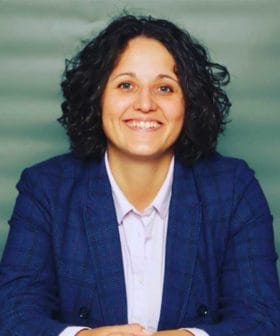
We‘es Tes, Sandra A. Martin Harris
Communications Director, Office of the Wet’suwet’en Hereditary Chiefs, Member of the Witset First Nation, PhD Researcher, University of Northern British Columbia
I am from the Wet’suwet’en Nation of the Laksilyu, Little Frog Clan and a member of the Witset First Nation. I live in Tse Kya on the Gitxsan laxyip, in the Hazeltons’. I am the Communications Director for the Office of the Wet’suwet’en Hereditary Chiefs, working primarily with the 5 Clans, media and interested parties across the yintah. I have spent 20 plus years working as a community developer, working to have integrated approaches for health and wellbeing, supporting good governance practices, and advocating for suitable housing. I was the community developer/social development advisor at the Gitksan Government Commission (tribal council) for 10 years. I love community development work, community and watershed planning.
I previously spent a decade working with the Office of the Wet’suwet’en in land use planning, managing culturally grounded social programs and was a part of the senior management team for treaty negotiations. I am also an Indigenous Focusing Complex Trauma (IFOT) practitioner. I share indigenous teachings about complex trauma to front line staff using a body centered and land-based way; facilitating a finding our balance and strengths-based ways of Being. I am also a master level Reiki helper. I am a mother and grandmother, am learning more of my Wet’suwet’en language each day and grateful for the many persons that helped me on my life journey. I am currently a PhD student at UNBC in natural resources and environmental sciences.

Leona Irons
Chair, ICCE and Executive Director, National Aboriginal Lands Managers Association
Leona is Anishinaabe and a member of the Curve Lake First Nation, Ontario. She is the Executive Director for the National Lands Managers Association (NALMA).
Over 40 years working and advocating for the land management profession across Canada, Leona has devoted her career in teaching and raising professional standards in First Nation lands management.
20 years working directly in land management for First Nations and Government inspired her to take the path of advancing professional capacity in lands management. Guided by her fellow land management colleagues across Canada, Leona advocated and sought through the establishment of NALMA and Regional Lands Associations mandated to empower land management professionals with training, technical support and networking opportunities.
Leona was also instrumental in establishing the Centre of Excellence for Matrimonial Real Property (COEMRP) and the Indigenous Centre for Cumulative Effects (ICCE).
Expanding her knowledge and support services, Leona accepted an appointment by the Minister of Natural Resources as Lay council member for the Association of Canada Lands Surveyors (ACLS). Leona has been serving on council since 2017.
Leona has received several recognition awards for her achievements. In 2019 she was presented with a Lifetime Achievement Award from the Anishnabek Nation, as a celebration of her achievement and success in lands management.
Leona and her husband, Owen Cummings have raised two children who have given them two precious granddaughters.

Leea Litzgus
Executive Director, ICCE
Ms. Litzgus is Algonquin from Ontario. She is leading the Indigenous Centre for Cumulative Effects (ICCE) in their mandate to help build and enhance the technical and scientific capacity of Indigenous communities for cumulative effects assessment, monitoring and management based on values of First Nations, Métis and Inuit communities. She has a keen interest in sustainable community development to ensure a healthy environment for generations to come.
Ms. Litzgus held the position of Associate Regional Director General for the Ontario Region of Indigenous Services Canada (ISC) from 2011-2020. She was responsible for guiding the region to focus on an Indigenous community-centered approach to support 133 First Nations in Ontario.
Ms. Litzgus played a key role in developing positive relationships between First Nations and all levels of government to encourage strong, self-sufficient First Nation communities.
Prior to working with the federal public service, Ms. Litzgus worked as an environmental consultant in the private sector, where she carried out Environmental and Social Impact Studies of large-scale infrastructure and remediation projects.
Ms. Litzgus has a master’s degree in Urban and Rural Planning from Dalhousie University, as well as a Bachelor of Science from Brock University, specializing in biology and environmental science, and holds a Certificate in Public Sector Leadership and Governance from the University of Ottawa.

Kate Mansfield
Senior Policy Advisor, Mackenzie Valley Environmental Impact Review Board
Kate is originally from Ontario but has lived and worked in the Northwest Territories for almost ten years. She’s worked in industrial settings doing environmental monitoring and research program design and has spent the last 7 years with the Mackenzie Valley Environmental Impact Review Board conducting environmental assessments and working on several policy initiatives.
Kate studied hydrology and peace and conflict studies at McMaster University and integrative biology, with a focus on peatland carbon cycling in permafrost environments at the University of Guelph.
She is a Proud mom to kids and dogs, an avid hiker, a slow jogger, and a yoga enthusiast. Kate has spent most of the pandemic perfecting her chocolate chip cookie recipe and is willing to share with whoever wants it (since the world can always use more cookies)!

Dr. Klemetti Näkkäläjärvi (PhD)
Saami Researcher from Enontekiö, North Finland, Postdoctoral Researcher, Cultural Anthropology
Dr. Näkkäläjärvi is a Saami researcher from Enontekiö, North Finland. He is a member of a reindeer Saami family. His research and professional interests are focused on Saami culture, language and livelihoods, environment, biodiversity, arctic area, climate change and protection of traditional knowledge. During his professional history he has looked into Saami culture from various different aspects: as a Saami, as a politician, as a linguist, as a cultural anthropologist, as an administrator and as an association actor. This knowledge and understanding of the role of Indigenous cultures in society, politics, and international law and in changing climate is unique.
He has been working for seven years as the President of Finnish Saami parliament, which is the highest political organ of the Saami people in Finland. During his post, he has focused on matters concerning environmental protection, biodiversity, arctic cooperation, climate change and protection of traditional knowledge of the Saami. He has used the latest scientific information on his work and adapted the scientific information to his professional work, to public presentations and statements.

Margot Parkes
Professor, School of Health Sciences, University of Northern British Columbia
Born in Aoteaora/New Zealand, I have been fortunate to live, learn, live and work across Oceania, Europe and the Americas. In 2009, I came to UNBC as Canada Research Chair in Health, Ecosystems and Society and since then, I have mostly lived on unceded Lheidli T’enneh territory, in northern BC. I serve as professor in the UNBC School of Health Sciences, cross-appointed in the Northern Medical Program, alongside ongoing journeys as a daughter, sister, partner, friend, and relation. I prioritise working and learning with others – across regions, cultural contexts, disciplines and sectors – to foster better understanding of land, water and living systems (ecosystems) as foundational for health, equity and well-being; and to strengthen collaborations that reflect these connections.
My research focuses on integrative, partnered and Indigenous-informed approaches, especially those that connect social and ecological influences on health within watersheds, and in rural, remote and Indigenous communities. My work draws on my background in clinical medicine, public health, human ecology, ecohealth, and life-experience: seeking to understand and challenge the harmful, colonizing, degenerative, and unjust patterns of cumulative impacts on environments, communities and health, while also prioritizing actions and approaches that amplify co-benefits for people, place, and planet. Key collaborations relevant to ICCE themes, include my work as co-lead of the Environment, Community, Health Observatory (ECHO) Network, focused on the cumulative health, equity and ecological challenges of resource extraction and climate change; and as a member of the Global Working Group on Waiora Planetary Health for the International Union of Health Promotion and Education.
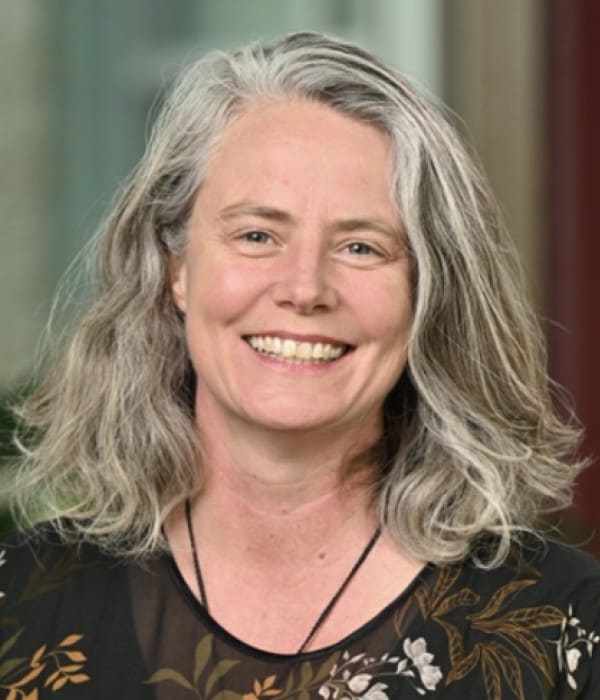
Miles Pitchenese
Lands and Resources Department,
Eagle Lake First Nation
Miles is a community member of Migisi Sahgaigan (Eagle Lake) First Nation and has been working with the community in their Lands and Resources Department as the Contaminant’s Coordinator for the past 3 years. He has been working closely with the Traditional Knowledge Holders of the community to understand the effects of contamination in fish, water, sediment, and soil. Miles has implemented several community-led programs, including organizing and facilitating community meetings, as well as sharing technical information with community members and Leadership. Prior to joining the Lands and Resources Department, Miles worked for the Ministry of Natural Resources and Forestry (MNRF).
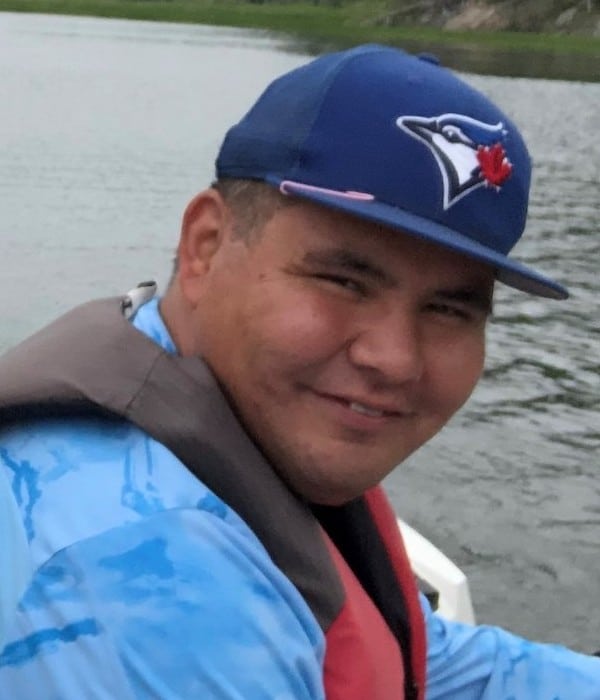
Mark Podlasly
Nlaka’pamux Nation, Cook’s Ferry Band, Director of Economic Policy and Initiatives, First Nations Major Projects Coalition
Mark Podlasly, a member of the Nlaka’pamux Nation, provides strategic advice on Indigenous–corporate environmental, social and governance (ESG) investment issues. He has over 25 years of extensive experience in the development of capital projects connected to energy, natural resources, and community infrastructure around the world. He is the Director of Economic Policy and Initiatives at the First Nations Major Projects Coalition, a national 75+ Indigenous nation collective that seeks ownership of major projects such as pipelines, electric utilities, and mining support infrastructure, and an Adjunct Professor at UBC’s Sauder School of Business. Mark holds a master’s degree from Harvard University and is a regular speaker at global business and governance events.

Levi Snook
Environmental Consultant, EnCompass Environmental Limited
Levi has over 11 years of environmental consulting experience specializing in the fields of aquatic ecology, environmental science, and ecosystem management. He has worked alongside communities, regulators, and proponents on a range of environmental assessment and monitoring activities. Levi is experienced in environmental study design, managing complex field programs, and providing training and skills development to client communities. Levi holds a Bachelor or Science Degree (Environmental and Natural Resources Sciences) from Trent University, as well as a Diploma in Ecosystem Management Technology and Ecosystem Management Technician from Flemming College.

Kate Wale
Intern Program Coordinator, Communications, Community Engagement, Education and Outreach, Qwelminte Secwépemc
Kate Wale is a Gitxsan woman from Gitanmaax First Nation on her father’s side and settler-European on her mother’s side. She has been a humbled guest on Secwepemculecw for most of her life, currently residing within Tk’emlúps te Secwépemc territory in Kamloops, BC. After participating in the #TeamSku7pecen Internship Program in the Summer of 2020, Kate stayed on with Qwelmínte Secwépemc (QS) to continue working and learning with their incredible team and seven signatory communities.
Kate completed her Bachelor of Arts with a Major in Communication and a Minor in Marketing at Thompson Rivers University in October 2020. At Qwelmínte Secwépemc, Kate now works on the Communications, Community Engagement, Education, and Outreach, or CCEEO team, as the Intern Program Coordinator. She continues working on various community engagement projects and coordinating and supporting the #TeamSku7pecen Intern Program. Being a part of #TeamSku7pecen has given Kate invaluable and irreplaceable experience, connections, and knowledge, which has allowed her to fully realize her desire to help build capacity within Indigenous communities and organizations, working with and for First Nations in the future.
2022 ICCE Virtual Conference – Day 1 Program
Cumulative Effects: A Health and Well-Being Perspective
Tuesday, March 1, 2022
10am to 1pm Pacific / 1pm to 4pm Eastern / 2pm to 5pm Atlantic
Performances
Northern Cree Singers: Summer Sunset
Daniel Wells & Alex Wells, Lil’wat First Nation: Mountain Dance
Opening Prayer
Debra Sparrow, Knowledge Keeper, Musqueam Indian Band
Emcee
Herbie Barnes, Artistic Director, Young People’s Theatre (YPT)
Graphic Artist
Corrina Keeling, Multidisciplinary Artist
Welcoming Remarks
Leona Irons, Chair, ICCE and Executive Director, National Aboriginal Lands Managers Association
Opening Remarks/Presentation
Leea Litzgus, Executive Director, ICCE
KEYNOTE PRESENTATION
Indigenous Concepts of Well-Being: Sustainable Economies, Sustainable Futures
COVID-19 has shifted much of what people consider to be a “good life”. Where we once considered rising investment, growing job numbers and increasing incomes as hallmarks of life success, in a world of daily virus summaries, mandatory mask wearing and travel restrictions, a good life now is counted as having enough food, healthy friends and family, and a environment that can equally sustain our economic, health and cultural needs.
The coronavirus has highlighted how narrowly our society defined economic success as an ever-increasing cycle of production and consumption. Yet worldwide, countries are challenging this mindset, forcing policy makers to incorporate new metrics of well-being into their economy planning. This session will discuss how countries, including Indigenous people, are re-thinking how a well-being-focused economy can improve outcomes for all citizens.
Mark Podlasly, Nlaka’pamux Nation, Cook’s Ferry Band, Director of Economic Policy and Initiatives, First Nations Major Projects Coalition
Break and Musical Interlude
The Jerry Cans: Ukiuq
SESSION 1
We Move Together: Restoring Connections Between Lands, Waters and Well-Being
Addressing cumulative impacts on health and well-being demands a shift in how we understand and act. It requires new ways to move together that reflect synergies across departments, programs, disciplines and approaches in Indigenous communities.
Drawing on experiences from Wet’suwet’en territories and various collaborations across Turtle Island, Aotearoa (New Zealand) and beyond, We’es Tes Sandra Harris and Margot Parkes will share insights and examples of holistic and integrative ways to recognise the commonalities between lands, waters, and well-being, and explore the implications this has for decreasing harms and benefitting from the reciprocal nature of healthy people and healthy land.
We‘es Tes, Sandra A. Martin Harris, Communications Director, Office of the Wet’suwet’en Hereditary Chiefs, Member of the Witset First Nation, PhD Researcher, University of Northern British Columbia
Margot Parkes, Professor, School of Health Sciences, University of Northern British Columbia and Member of the ICCE Technical Advisory Committee
SESSION 2
Protecting Our Waters: Eagle Lake First Nation’s Approach to Aquatic Monitoring
Migisi Sahgaigan (Eagle Lake First Nation) is located approximately 25 km west of Dryden, Ontario, on the shores of Eagle Lake. As Anishinaabeg, they abide by the Migisi Sahgaigan Maanachi Totaa-aki Declaration, which outlines their duty to protect the lands and waters, according to Anishinaabe sacred laws and teachings that have been passed down by the Creator.
Their traditional territory continues to be impacted by land and resource development projects, climate change, and pollution, including mercury contamination from former pulp mill operations. Eagle Lake and Eagle River are an important source of food and medicines, and both are culturally, spiritually, and ecologically significant. To uphold their responsibility to protect these waters, Migisi Sahgaigan has developed and implemented a community-based aquatic monitoring program to collect baseline data within the Eagle Lake watershed.
In this session, the speakers will outline how they developed an effective monitoring plan, guided by elders and land users, using both science and Indigenous knowledge. They will also outline their approach to field sampling, including youth engagement and participation, and discuss how they will use the collected water, sediment, and fish habitat data to monitor cumulative impacts to the water and watershed over time.
O’Hara Adams, Lands and Resources Department, Eagle Lake First Nation
Alison Fraser, Environmental Scientist and Human Health Risk Assessor, EnCompass Environmental Limited
Miles Pitchenese, Lands and Resources Department, Eagle Lake First Nation
Levi Snook, Environmental Consultant, EnCompass Environmental Limited
Break and Musical Interlude
Twin Flames: Taanisi
SESSION 3
Considering Well-Being and Indigenous Knowledge in Impact Assessments
The resource management system in the Mackenzie Valley of the Northwest Territories is the result of modern land claims processes and reflects the shared values of the Dene and Métis. The land claims and subsequent resource management legislation highlight the importance of understanding how proposed developments may impact on Indigenous well-being and way of life and that it should be a primary focus of any impact assessment process.
This approach reflects a more holistic worldview and lends itself to better inclusion of Indigenous knowledge and ways of knowing. Case studies on how well-being was considered in recent environmental impact assessments on resource development projects in the NWT will be presented.
Mark Cliffe-Phillips, Executive Director, Mackenzie Valley Environmental Impact Review Board and ICCE Board Member
Kate Mansfield, Senior Policy Advisor, Mackenzie Valley Environmental Impact Review Board
SESSION 4
Supporting Indigenous Communities in Canada Through Interactions with Project Proponents
Fort McKay Métis Nation (FMMN) are developing a tool to help Indigenous communities across Canada define and communicate their expectations to project proponents with respect to the assessment of cumulative effects. FMMN territory is located within the epicentre of Alberta’s oil sands region and is increasingly subject to the cumulative effects of industrial development.
Development pressures from forestry, mining, oil and gas exploration, agriculture, hydroelectric development, and other industries continue to impact Fort McKay Métis culture and way of life. However, little guidance is available to inform the interactions between FMMN staff and project proponents with respect to the assessment of cumulative effects. As an Indigenous community facing significant cumulative effects within its territory, and interfacing with multiple project proponents across different industries, the FMMN are uniquely positioned to explore community and proponent interactions across Canada and highlight learned lessons, guiding principles, and best practices.
The work is being undertaken using a participatory and distinctions-based approach that acknowledges the distinct rights, interests, and priorities of First Nations, Métis, and Inuit. First Nation, Métis, and Inuit communities and organizations across Canada will be engaged to identify best practices and common themes within, and across each distinct group.
The outcomes of the project include:
- building community capacity;
- developing a guidance document to support Indigenous communities with their interactions with project proponents related to the assessment of cumulative effects; and
- developing a fact sheet to communicate the importance of involving Indigenous communities in cumulative effects assessment, monitoring, and management. It is anticipated that developing an Indigenous Centre for Cumulative Effects (ICCE) guidance document for First Nations, Métis, and Inuit will be a tool to support and improve outcomes for communities during interactions with project proponents.
Adi Isaac Adiele, P.Geo, M.EB., Manager, Environment & Land Use Sustainability, Fort McKay Métis Nation
Thomas Dyck, PhD, Applied Social Scientist, Integral Ecology Group
DAY 1 WRAP UP
Musical Interlude
Curt Young, International Entertainer, Singer/Songwriter, Grass Dancer, Artist and Actor, Cowessess First Nation
Click here for Program Day 2
Registration is complimentary and is now open.
Please note, registration is required to attend the conference and only registered participants will receive the link required to join the event.
Contact Us
ICCE Conference Secretariat
Micheline Bélanger
2022 Virtual Indigenous Conference on Cumulative Effects
ICCE Virtual Conference
Cumulative Effects: A Health and Well-Being Perspective
March 1-2, 2022
1pm to 4pm on both days
Click here to register today!
The conference will focus on the importance of considering communities and individuals health and well-being to effectively understand and address cumulative effects issues. Speakers from coast to coast to coast will explore, from an Indigenous point of view, the links between a healthy environment and healthy communities that are in constant evolution over time and space. They will discuss topics like the social, cultural, and environmental components of health and well-being and how they relate to cumulative effects’ preoccupations.
Please click here for program information.
Who Should Attend
This conference is primarily for members of First Nation, Métis and Inuit communities and Indigenous organizations that undertake, or aspire to undertake, cumulative effects assessment, monitoring and management in their communities. The conference will be of interest to individuals interested in or having responsibilities related to cumulative effects such as land managers, environmental technicians, knowledge holders and land guardians.
Contact Us
ICCE Conference Secretariat
Micheline Bélanger
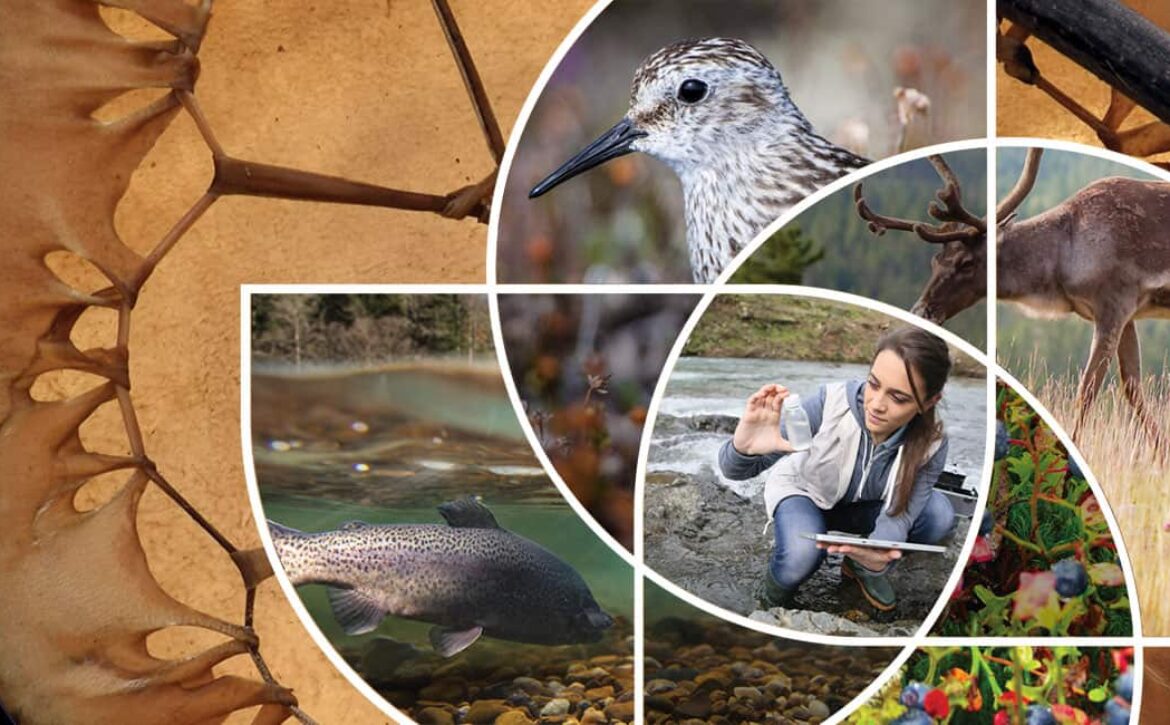
2022 ICCE Virtual Conference: Save the Date!
Cumulative Effects: A Health and Well-Being Perspective

For conference information, please click here.
Contact Us
ICCE Conference Secretariat
Micheline Bélanger
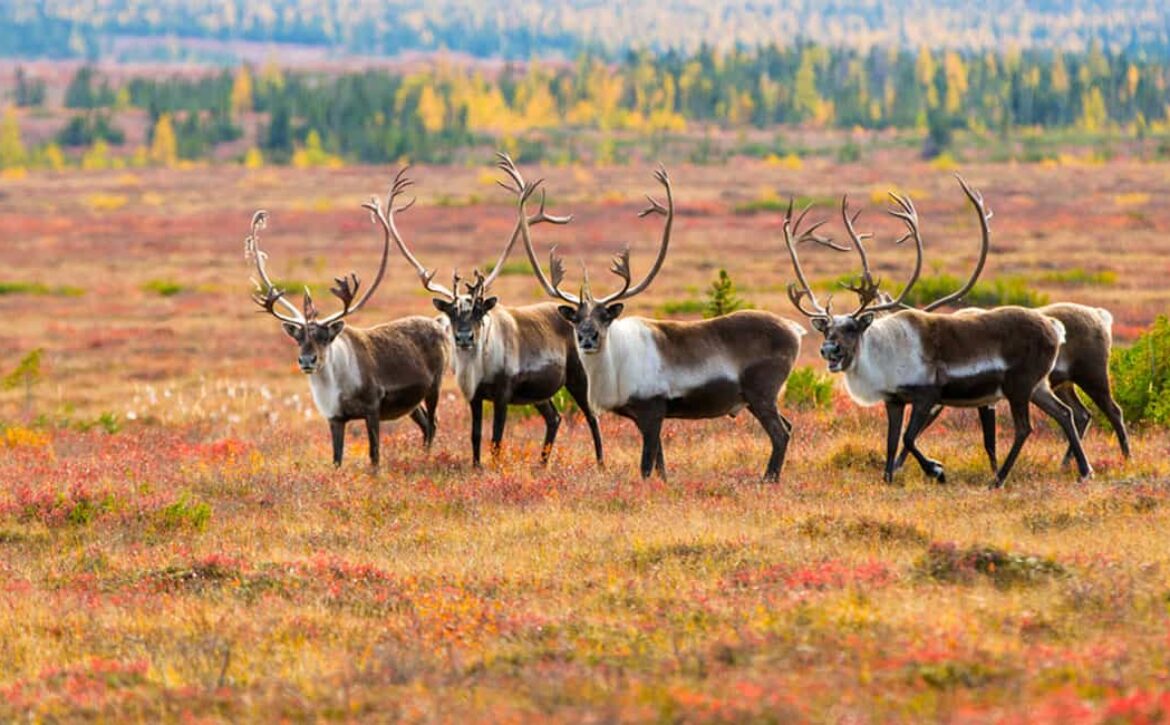
How Cumulative Effects Impact the North
Every ecosystem is special, beautiful and fragile in their own way. From the eastern and western coastal climates, to the lush abundance of great plains, to the remarkably rugged shorelines of the Great Lakes region – there is so much to celebrate and appreciate. We are also reminded that there is so much to protect.
Those who live in more temperate climates in the south have experienced significant growth and industrial development that has had generational impacts on the environment, the people, and the activities of local First Nations and Métis. In the north, the ecosystem is now vulnerable from the effects of climate change and human impacts, while the landscape has remained relatively untouched and has flourished for millennia. Inuit, in particular, have a vested interest in understanding and playing a role in addressing cumulative effects.
Cumulative effects are the changes caused by multiple interactions among human activities and natural processes over time. Cumulative effects have an impact on the ecosystem, the flora and fauna, as well as health, culture and traditional land use of Indigenous peoples.
For Inuit, cumulative effects may have a lasting impact for generations. As growth, resource development and industrial land use come to the north, it is important to consider how Inuit can better assess, manage and monitor cumulative effects on the local and regional ecosystem.
The following is a list of how cumulative effects could impact the north:
1. Land Uses That Have a Permanent Impact
While there are substantial economic benefits from growth, new jobs and resource development, there are also cumulative effects. Increasing populations means further expansion of residential areas and community infrastructure. More people means more waste. More people also means the need for more transportation both over the land, in water and through the air.
Mining and exploration, for example, are far too often seen as temporary. In reality, long after exploration activities cease and mines are closed, they continue to have a lasting impact on the environment. Buildings and infrastructure and pollutants have great impacts on the landscape, the permafrost, and the wildlife.
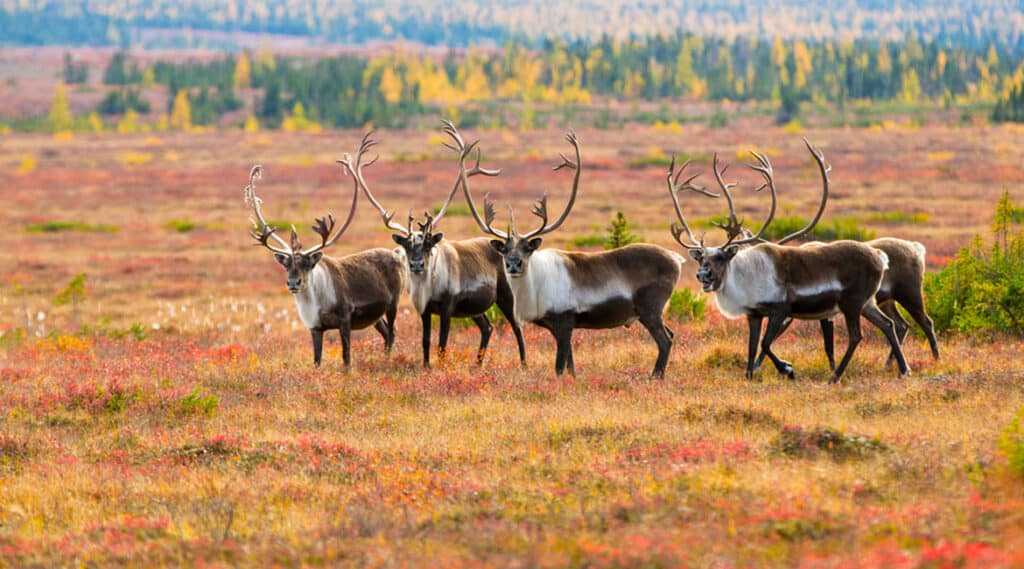
2. Environment, Wildlife, Bird and Marine Mammals
Cumulative effects can be found throughout the food chain. Toxic substances may be absorbed by terrestrial wildlife, birds, marine mammals, through a process of bioaccumulation, and interfere with basic biological functions such as reproduction. Inevitably, this may result in fewer animals, more challenging harvests and country foods that may no longer be safe. Certain land uses may drive away and alter migration patterns of herd animals and birdlife.
3. Traditional Land Use and Well-Being
The greatest concern of cumulative effects lies with its impacts to Indigenous peoples and traditional land use. This is an important part of Inuit culture and ways of life. Expansion of resource development and industrial land use have far-reaching impacts to those who use the land regularly as a means of survival and sustenance.
Indigenous peoples may not be able to use lands and resources or practice traditions that are proximate to development. For Inuit who continue to live off the land, these impacts can be a risk to the well-being of families.
As we have seen recently in Iqaluit, even the city water sources and distribution system can be greatly impacted by pollutants. A spill of hydrocarbons into fresh water, through a fueling accident or improper storage, can result in great harm to the environment and community health.
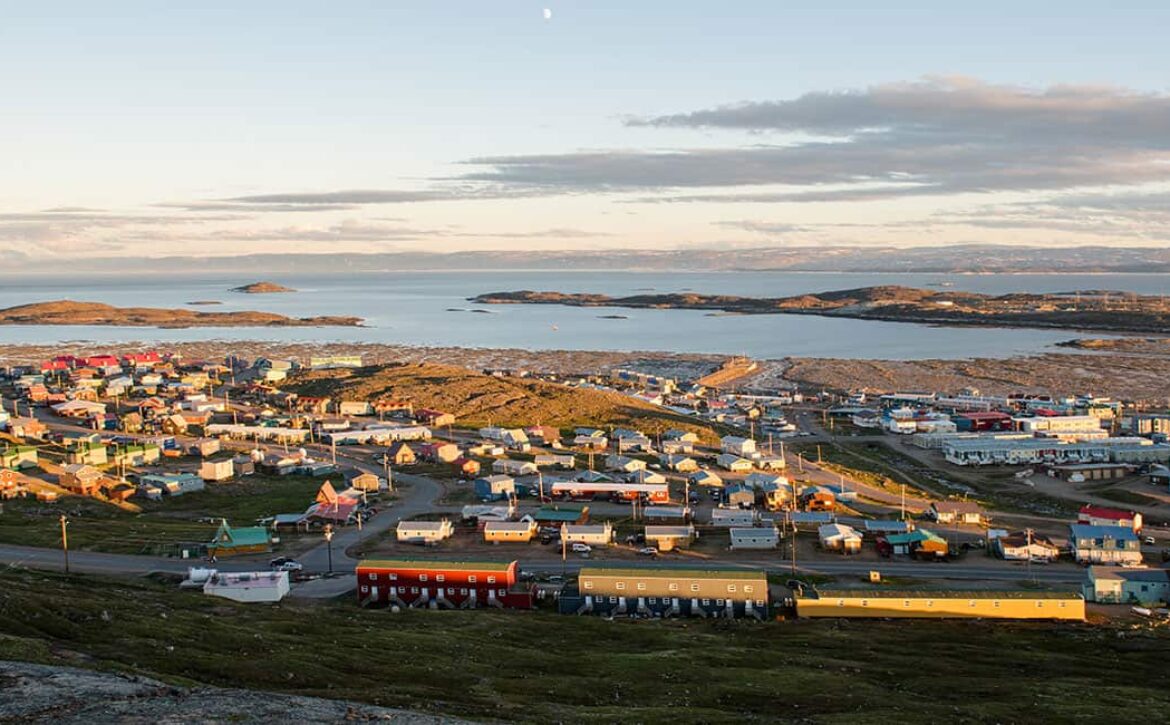
ICCE Brings Cumulative Effects Dialogue to Nunavut
The Indigenous Centre for Cumulative Effects (ICCE) is working to enhance awareness of cumulative effects among Inuit communities in the far north. ICCE is scheduled to make a presentation to the Nunavut Association of Municipalities (NAM) annual general meeting with the intent of bringing further awareness of cumulative effects, and how Inuit communities and organizations can help address these concerns.
The Nunavut Association of Municipalities (NAM) is holding its annual general meeting in Iqaluit, NU from November 8 to 10, 2021. NAM is meeting to discuss important municipal issues, collaboration amongst governments and of course, discuss Covid-19 and other health issues.
For ICCE, and Indigenous peoples, cumulative effects are very much about health and well-being. From the health of a fragile ecosystem to the health of the Inuit food supply, the organization will begin a dialogue on how to better involve Inuit into cumulative effects action.
At the NAM meeting, ICCE will host the first of a number of regional focused dialogues that will inform a national needs assessment that will help understand and focus the needs of Indigenous communities with respect to cumulative effects.
The choice to begin these focussed dialogues in the north was quite deliberate. The organization hopes that the presentation to NAM as well as the follow-up dialogue will build on the network of Indigenous cumulative impacts practitioners and knowledge holders across Canada.
~ Leea Litzgus, Executive Director
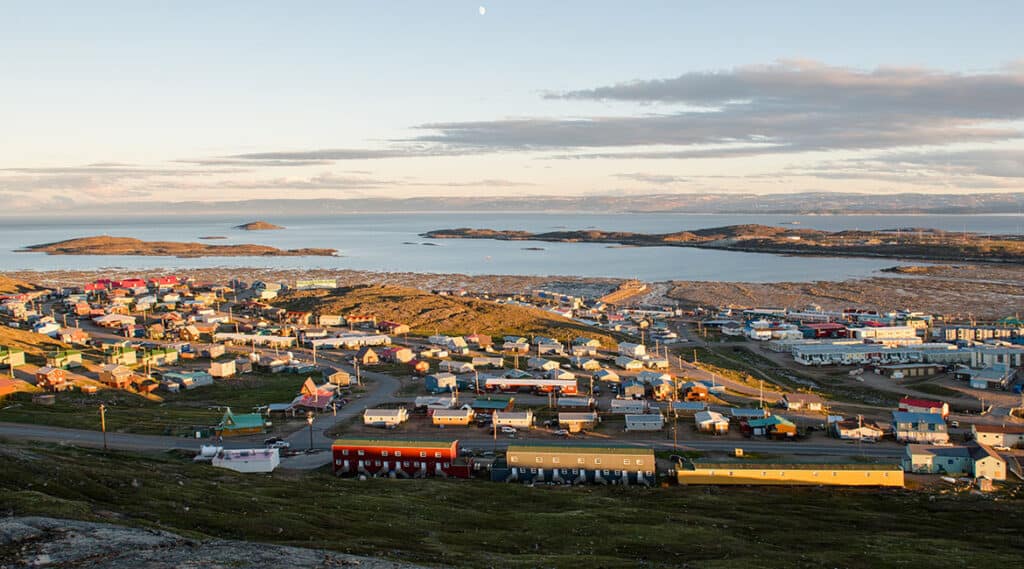
ICCE also hopes to gain an appreciation for the needs of Inuit communities in the areas of training and awareness of cumulative effects, how communities can better assess, manage and monitor cumulative effects.
We truly want to understand what more needs to be done. ICCE can play an important role in providing the tools to better understand and address cumulative effects.
~ Leea Litzgus, Executive Director
Over the course of the year, these regional focussed dialogues will take place to better understand the overall picture with respect to cumulative effects. These will include invited environmental staff, indigenous and western science and knowledge holders, ICCE partners and those who have had projects funded by ICCE Community Funding Program. Following these regional focussed dialogues, ICCE will be engaging First Nation, Métis and Inuit communities across Canada to seek out direct input and advice from those who are living with, and most impacted by, cumulative effects.